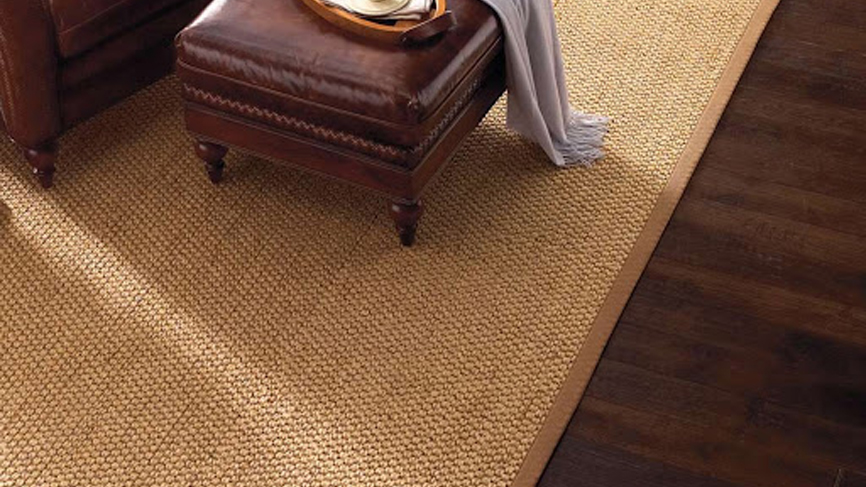

Some areas of a space take more pressure than others. Entryways, corridors, and transition zones deal with constant movement, dirt, and wear. In both home and office environments, these are the places where flooring needs to work harder, not just look good.
Natural coir floorcovering is built for exactly this kind of demand. It doesn’t aim for softness or visual refinement. Instead, it focuses on durability, grip, and the ability to handle everyday stress without losing its structure.
For Australian interiors-where outdoor elements are a regular part of life—this kind of resilience makes a noticeable difference.
Understanding Coir as a Material
Coir is made from the fibrous husk of coconuts. It’s one of the toughest natural fibres used in flooring, known for its coarse texture and high resistance to wear.
The fibres are thick and rigid, which gives the material its strength. When woven into floorcovering, coir creates a dense, textured surface that can handle repeated use without flattening.
Unlike softer materials, coir doesn’t try to provide cushioning. Its purpose is to withstand impact and maintain form, even in high-traffic areas.
Designed for High-Use Zones
In both home and office settings, certain areas naturally attract more foot traffic. These include entry points, hallways, and spaces that connect different parts of a building.
Natural coir floorcovering (Herringbone Coir, Ribbed Natural Coir) performs well in these zones because it:
- Resists crushing under constant movement
- Maintains its structure over time
- Handles dirt and debris without losing effectiveness
The coarse surface also helps scrape dirt from footwear, reducing how much gets carried further into the space.
At home, this is especially useful in entrances and back doors. In office environments, it supports areas where people are constantly moving in and out.
Herringbone and Ribbed Styles: Function with Subtle Variation
Floorspace Coir floorcovering is available in different weave styles, each offering slight differences in appearance and performance.
Herringbone coir features a zigzag pattern that adds a sense of movement to the floor. It works well in larger areas where a bit of visual structure is needed without introducing bold design elements.
Ribbed natural coir has a more linear texture, with raised ridges that enhance grip and help trap dirt more effectively. This makes it particularly useful in entry zones where functionality is the priority.
Both styles maintain the same core strength of coir while allowing for subtle design variation across home and office interiors.
Aesthetic That Reflects Natural Strength
Coir has a distinct look that comes directly from its raw, natural fibres. The colour palette typically includes warm browns and earthy tones, which give the flooring a grounded, organic feel.
In Australian homes, this pairs well with:
- Timber surfaces
- Neutral colour schemes
- Natural materials like stone and linen
In office settings, it adds texture without making the space feel overly designed. It works particularly well in environments that aim for a balance between functionality and a natural aesthetic.
Coir doesn’t try to look refined. Its appeal comes from honesty in material and texture.
Underfoot Feel: Firm and Functional
Walking on coir feels different from softer flooring options. The surface is firm, coarse, and textured.
In high-use areas, this becomes an advantage. It provides grip and stability, especially in entry zones where floors might otherwise feel slippery.
At home, it works well in areas where durability is more important than comfort. In office environments, it supports spaces where movement is constant and flooring needs to stay consistent.
For areas where comfort is a priority, coir is usually combined with softer materials elsewhere in the space.
Climate Considerations in Australian Conditions
Coir performs well in dry environments and can handle moderate humidity when properly ventilated. However, like most natural fibres, it has its limits when it comes to moisture.
It is best suited for:
- Indoor areas with good airflow
- Covered outdoor spaces
- Entry zones that are protected from direct water exposure
It should be avoided in:
- Wet areas like bathrooms or laundries
- Spaces with constant moisture exposure
In both home and office settings, proper placement ensures the material remains stable and durable.
Maintenance That Matches Its Purpose
Natural coir floorcovering is relatively easy to maintain, especially considering the environments it’s used in.
Regular vacuuming helps remove dirt and debris that collect on the surface. Because of its coarse texture, coir naturally traps particles, which helps keep surrounding areas cleaner.
Shaking out smaller sections or mats can also help maintain cleanliness in high-use zones.
Moisture should be managed carefully. Spills need to be addressed quickly to prevent absorption and potential damage.
Overall, maintenance is straightforward and fits easily into both home and office routines.
Durability Over Time
Coir is designed to handle wear without losing its structure. Over time, the fibres may soften slightly, but the overall integrity of the flooring remains intact.
In high-traffic areas, this durability becomes especially valuable. Instead of showing heavy wear patterns, coir continues to perform, even as it ages.
In office environments, this reduces the need for frequent replacement. In homes, it helps maintain functional areas without constant upkeep.
A Sustainable Material Option
Coir is a by-product of coconut processing, which makes it a resource-efficient material. Instead of being discarded, the husk is repurposed into durable flooring.
It is:
- Renewable
- Biodegradable under the right conditions
- Processed with relatively low environmental impact
For both homeowners and businesses looking to incorporate more natural materials, coir offers a practical option that aligns with sustainability goals.
Where Coir Floorcovering Works Best
Natural coir floorcovering is most effective in spaces where durability and function are the priority.
In homes, it suits:
- Entryways
- Hallways
- Utility areas
In office environments, it works well in:
- Reception areas
- Corridors
- High-traffic zones
It is less suited for:
- Bedrooms or relaxation areas
- Spaces requiring softness
- Areas exposed to frequent moisture
Using it in the right context ensures long-term performance.
A Flooring Choice Built for Function
Natural coir floorcovering (Herringbone Coir, Ribbed Natural Coir) doesn’t try to compete with softer or more decorative options. Its purpose is clear—to handle wear, manage dirt, and maintain structure.
In both home and office environments, this clarity makes it a reliable choice. It supports the parts of a space that see the most action, without requiring constant attention.
For Australian interiors that deal with outdoor elements and everyday movement, coir provides a strong, practical foundation that works quietly in the background.
Floorspace shares practical, experience-driven insights to help homeowners choose suitable flooring solutions.