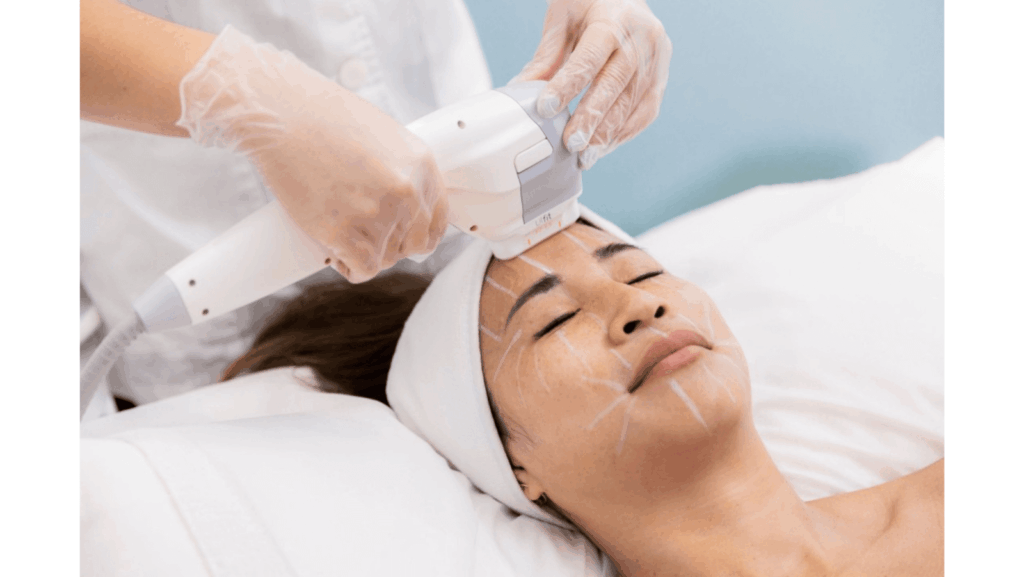

The first appointment should not feel like a sales presentation with a consent form at the end. It is the point at which a person can test the quality of a clinic’s judgement, communication and boundaries. Before agreeing to any procedure, the client should leave knowing what concern is being addressed, what alternatives exist, what the likely limits are and what could happen if treatment does not go to plan.
A consultation for cosmetic medical treatments should begin with the person rather than the procedure. The practitioner needs to understand what has prompted the enquiry, how long the concern has been present and what result would feel worthwhile. Vague requests such as looking “less tired” need careful exploration. They may relate to volume, skin quality, sleep, health, facial movement or simply an unhelpful photograph. A useful conversation turns an emotional description into a realistic treatment goal.
Medical history is not a box-ticking exercise. Current medicines, allergies, previous procedures, pregnancy or breastfeeding, healing problems, cold sores and relevant health conditions may affect suitability. The practitioner should also ask about past reactions and whether another clinic has treated the same area. Clients should answer honestly, even when a detail seems unrelated. Missing information can change the risk profile and the advice given.
The person providing the consultation should explain their qualifications, role and level of experience. It should be clear who will prescribe, who will perform the procedure and who will manage complications. In Australia, some products used in cosmetic care are prescription medicines and cannot be promoted to the public in the same way as ordinary beauty products. The focus should remain on clinical assessment and informed decision-making, not branded promises.
Good explanations cover benefits and drawbacks in plain language. For cosmetic medical treatments, that includes expected onset, likely duration, downtime, common side effects, less common complications and the possibility of an unsatisfactory result. A client should hear what the treatment cannot achieve as clearly as what it may improve. Images can support discussion, but they do not guarantee that another face or body will respond in the same way.
Alternatives deserve space. Sometimes the best option is a different procedure, a skin-care change, medical review or no treatment at all. A consultation is stronger when the practitioner can say no, suggest waiting or recommend a second opinion. Pressure tactics, limited-time discounts and claims that a decision must be made immediately can make genuine consent harder. Time to think is especially valuable when the procedure is invasive, costly or difficult to reverse.
Practical details also matter. The client should understand the total likely cost, whether follow-up is included, what aftercare is required and how the clinic can be contacted outside routine hours. Ask what happens if the result is uneven, healing takes longer than expected or urgent review is needed. Written instructions should match the verbal advice. Conflicting information is a reason to pause.
The consultation should include photographs only with clear permission. Clients can ask how images are stored, who can see them and whether separate consent is required for marketing use. Agreeing to clinical photographs does not automatically mean agreeing to publication. Privacy questions are legitimate, and a professional clinic should answer them without making the person feel difficult or uncooperative.
It is reasonable to take notes or bring a support person where the clinic permits. Questions remembered after the appointment can be answered before any booking is made.
Before committing to cosmetic medical treatments, a person should be able to describe the plan in their own words. They should know the intended outcome, important risks, available alternatives and next steps. Confidence does not come from being told that everything will be fine. It comes from receiving balanced information, having questions welcomed and feeling free to leave without booking. That is what a sound first consultation should provide.