Image to Video AI: The New Future of Video Generation In the fast-paced landscape of artificial intelligence, Image to Video AI is one of the most saavy innovations. If you have never seen this technology in action, it enables users to transform a static image into an attractive and dynamic video with very little effort. From marketing to education, entertainment to personal use, Image to Video AI is transforming how we create and engage with visual content.
Essentially, Image to Video AI uses complex machine learning algorithms to interpret a still image and create motion, transitions as well as effects. It can make camera movements like zooming, panning and rotating to create an appearance of liveliness in the picture. More sophisticated systems can even render facial expressions, lip-sync movements or produce entirely new frames to stretch the scene beyond that single image.
Another remarkable thing about this technology is its accessibility. Creating a video in the past needed professional level expertise in software like editing, animation and filming. Today, even a novice can make amazing video in matters of minutes converting our Image to Video AI tools. Users upload an image, select a style or effect, and let the AI do the rest. Its user-friendly nature has made it accessible to content creators, small businesses and educators that may not have technical expertise.
In marketing and advertising, Image to Video AI is a game-changer. Brands can transform product images into eye-catching promotional videos without investing heavily in video production. These videos are more engaging than static images and perform better on social media platforms, where motion content tends to attract more attention. Similarly, educators can use this technology to turn diagrams, historical photos, or illustrations into interactive learning materials, making lessons more engaging for students.
Another significant benefit is time efficiency. Traditional video creation can take hours or even days, involving scripting, shooting, editing, and rendering. Image to Video AI dramatically reduces this time, enabling rapid content creation. This is particularly useful in industries where timely content is crucial, such as news media or social media marketing.
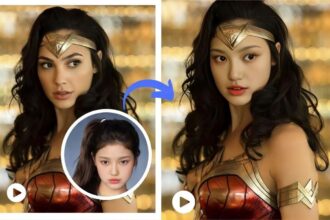
However, like any technology, Image to Video AI also comes with challenges. The quality of the output largely depends on the sophistication of the AI model and the quality of the input image. In some cases, the generated motion may appear unnatural or repetitive. There are also ethical concerns, especially when it comes to deepfake-like capabilities, where realistic animations of people could be misused.
Despite these challenges, the future of Image to Video AI looks promising. Continuous advancements in AI models are improving realism, control, and customization. Soon, users may be able to generate full cinematic scenes from a single image, complete with sound effects and storytelling elements.
In conclusion, Image to Video AI is revolutionizing digital content creation by making video production faster, easier, and more accessible. As the technology continues to evolve, it is expected to play a major role in shaping the future of visual communication, bridging the gap between imagination and reality.